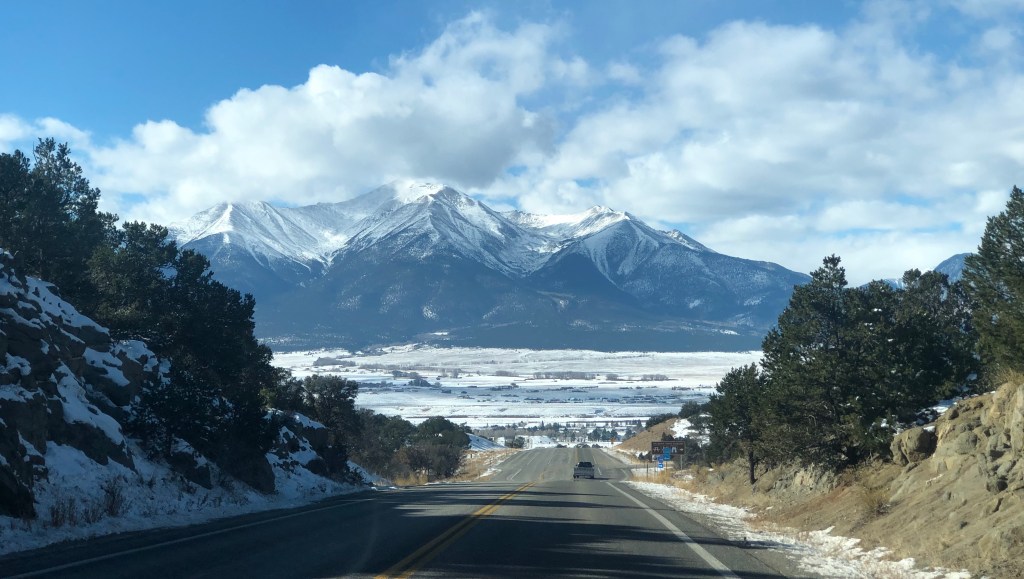
Quite recently, we had an amazing opportunity to do a road trip across Colorado for a week and oh boy did we love it! Colorado boasts of the world-famous Rocky Mountains, breathtaking natural beauty, scenic terrain and outdoor adventures!! There is no good time to visit this beautiful state, its a year round destination which has a lot to offer based on the seasons.
In this blog we round up some of the places in Colorado which need to be on your list next time you decide to visit this state. We started our trip from the North and moved south covering all the exquisite destinations from Estes Park to Alamosa.
The Rocky Mountains National Park
The Rocky Mountains National Park (RMNP) is one of the most popular natural parks in the country featuring 76 mountains each over 10 thousand feet high. The main features of the park include mountains, alpine lakes and a wide variety of wildlife within various climates and environments, from wooded forests to mountain tundra. Reservations are needed to enter the park for the Summer of 2021.
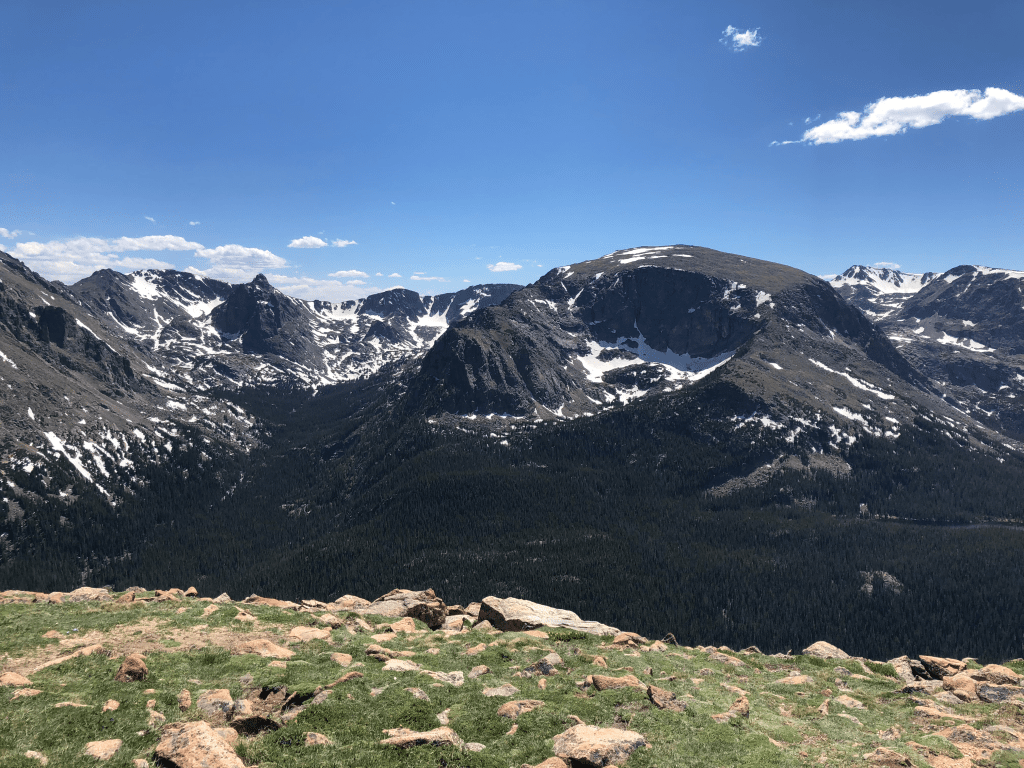
We started out trip with a visit to the Beaver Meadows Visitors Center. This is the best place to get information on the current weather, open trails and what paths can and cannot be driven on. Different seasons can have different restrictions, so please do check the website beforehand if you plan to do something very specific in the park. RMNP is open 365 days and only restricted when conditions are harsh. Park rangers are very friendly and they will give you information on what should and shouldn’t be done. There is a $35/day entry fees for this national park.
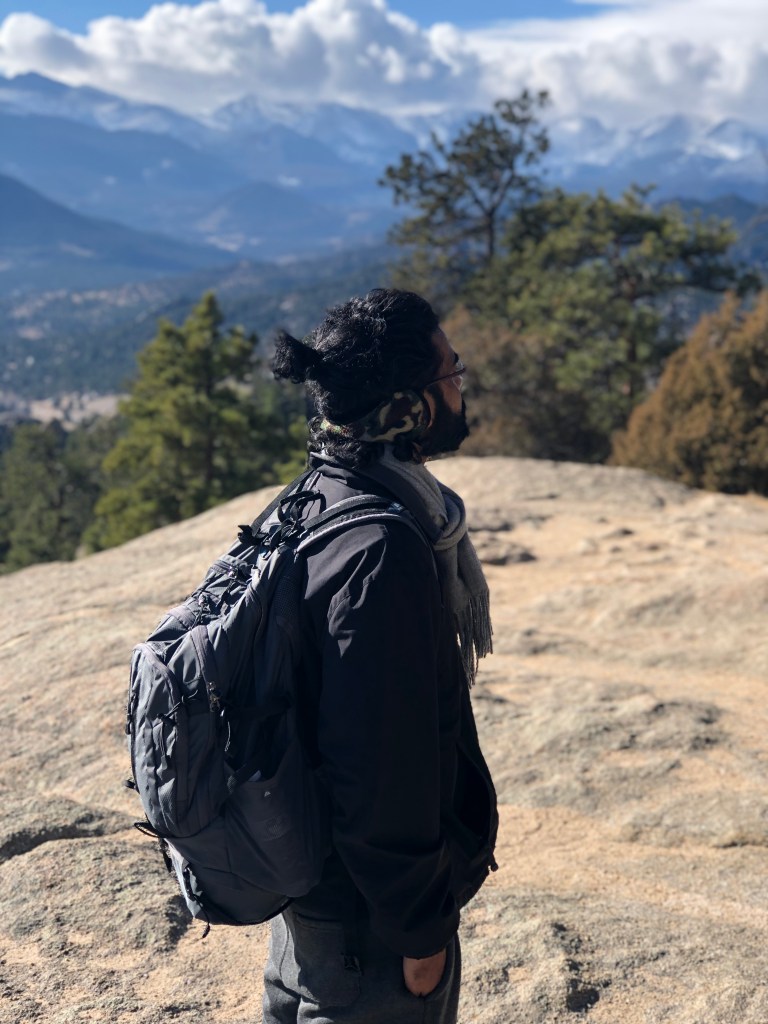
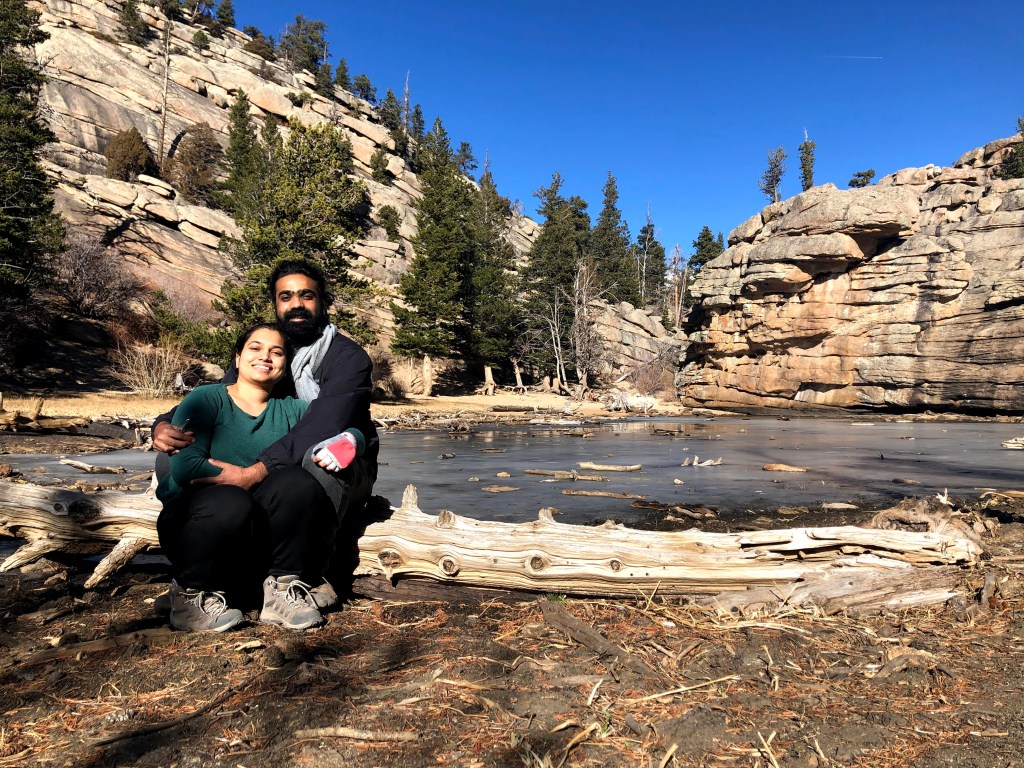
We started our day by hiking the Gem Lake Trail in Estes Park. The entrance to this trail is from outside the park, however you need to pay the park entrance fee and keep the receipt on the dashboard. Gem Lake Trail is a 5 miles loop with a moderate route. The last half mile is slightly intense because of huge boulders/steps which needs to be climbed. This trail boasts of panoramic views of the Rocky mountains the higher you go. At the top of the trail is a very beautiful lake after which you come down the same path. Good hiking boots will suffice, not a lot of mud. We took our own sweet time to hike and stopped to take a lot to take pictures. In total it took us almost 4 hours. This is one of the national park’s more popular trails and it can get crowded during the day. Plan to have a early start to beat the crowds.
After a quick bagged sandwich as our lunch we decided to drive around the National Park’s southern loop. To the south of RMNP via the Bear Lake Road is Bear Lake which is a year round popular destination with beautiful and surplus hiking trails. It’s a half mile hike to the lake from the parking lot after a dazzling drive through some of the most amazing roads the National Park has to offer. Bear lake gets its name because both grizzly and black bears lived in the Rocky Mountains in the early 1900s. While the grizzlies have now been extinct in the area for a century, about 30 black bears still live in Rocky Mountain National Park.
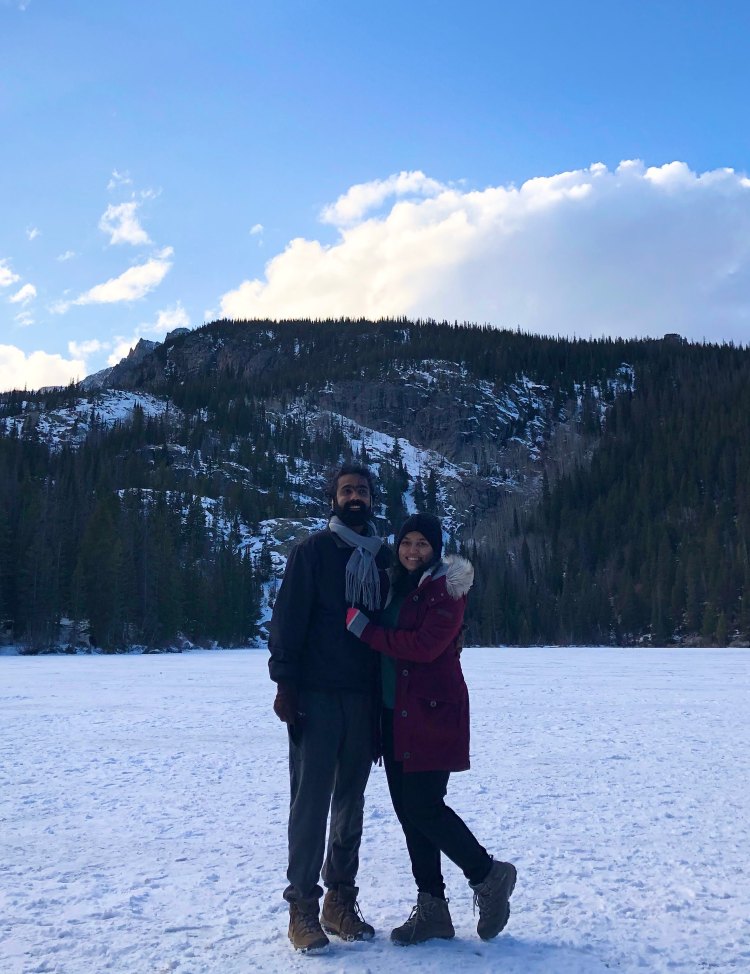
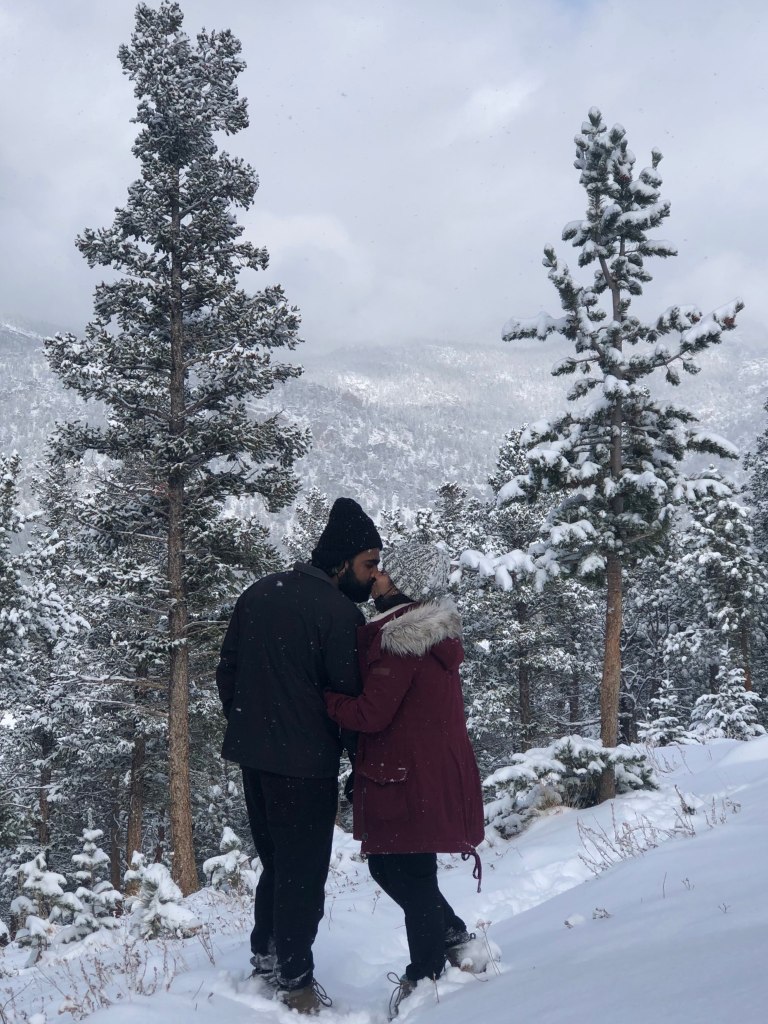
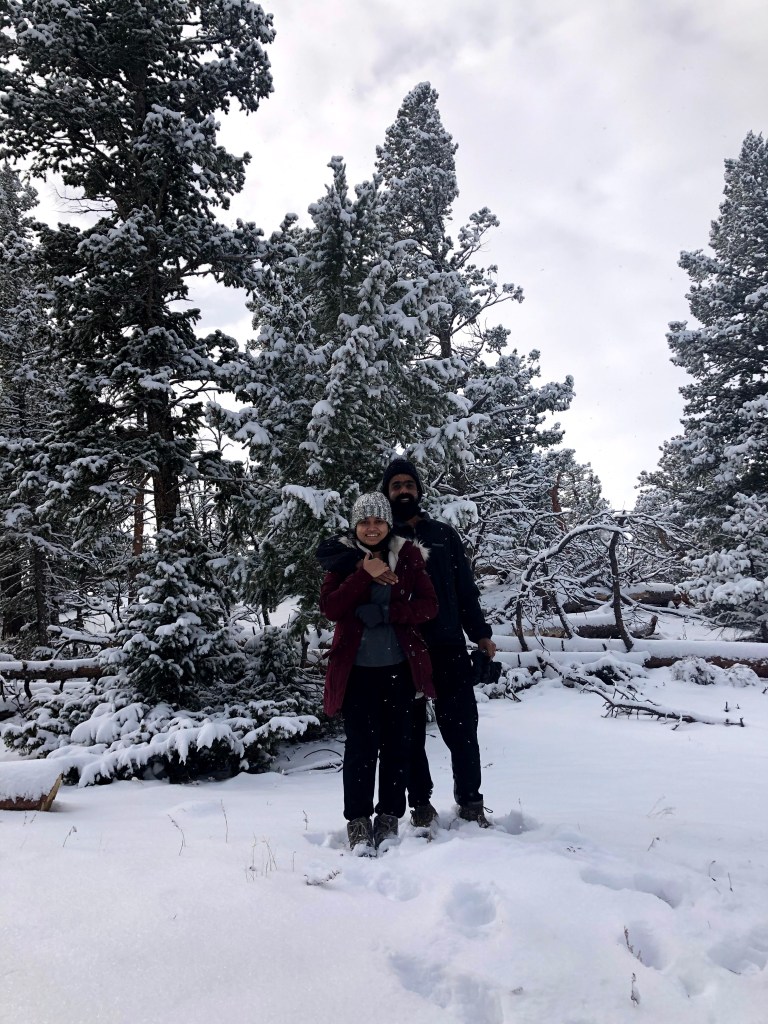
Day 2 of our stay had a very unexpected burst of snowfall overnight which changed the terrain completed. We had a nice beautiful blanket of snow that covered the entire park. It was a complete change in scenery. We started the day by hiking the Deer Mountain Trail, which is a 9.7 kilometer heavily trafficked out and back trail that features beautiful wild flowers and is rated as difficult. The snow shortened our hike and we did only a part of the trail which was breathtaking.
Colorado Springs
-Pikes Peak
At 14,115-feet, Pikes Peak is the highest summit of the southern Front Range of the Rocky Mountains, in North America. At the peak, the partial pressure of oxygen is only about 60% of that at sea level. A faster rate of respiration is required by humans and animals not acclimated to high altitudes. Snow is a possibility any time year-round, and thunderstorms with high winds gusting up to 100 miles per hour (160 km/h) or more are common in the afternoons. There is gift shop and a small cafe at the peak to have a bite and/or rest. From the summit’s various viewing areas, you’ll absolutely want to snap photos of Pikes Peak’s incredible scenery. On the clearest days, you can see five states (Colorado, Arizona, New Mexico, Utah and Kansas) and even the curvature of the earth fading into the distance.
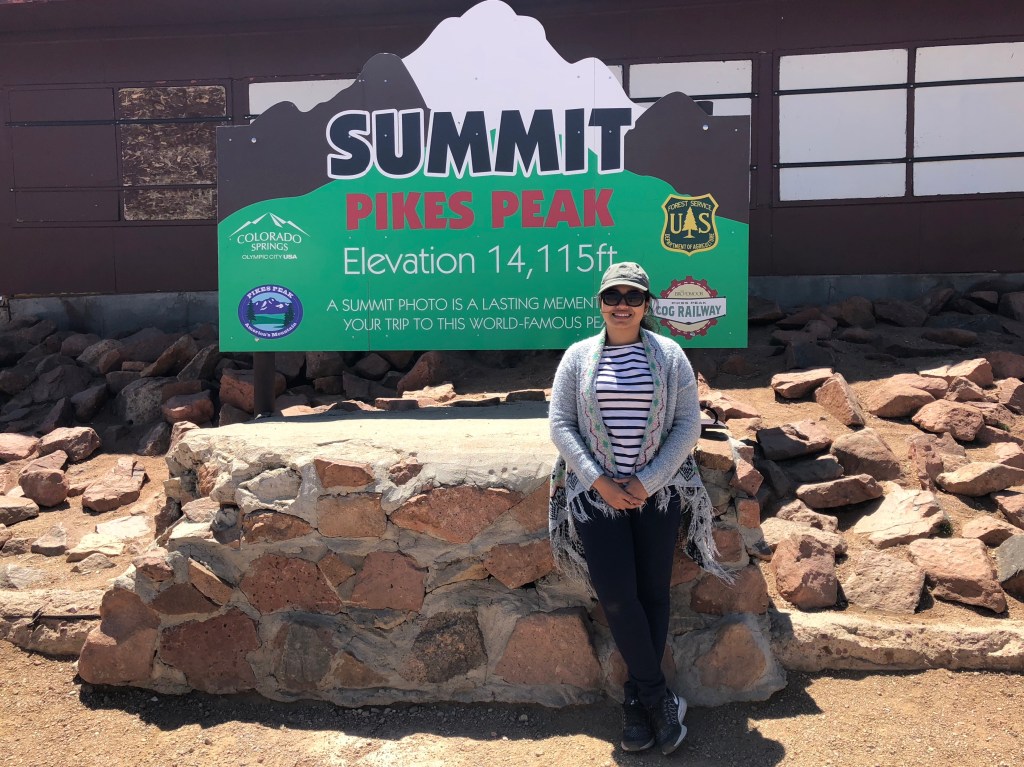
The drive to the summit is safe. It is a paved 19 miles road to get to the peak which can take about an hour. Tolls for the highway range from $4 to $40 depending on the season and number of passengers in your vehicle. There are many pull outs along the way to stop to take a break or to enjoy the stunning views as you drive up. During summer, due to limited parking you may not be allowed to drive all the way to the peak but stop a few miles down the road where there is a complimentary shuttle bus service to get you to and fro.
There are several hiking trails up Pikes Peak, but only one will bring you all the way to the top, and that’s Barr Trail (the trailhead is trailhead near the railway in Manitou Springs). This path is popular, but it’s not easy. It’s 13 miles each way and it climbs 7,400 vertical feet until it reaches the 14,115-foot summit. The Pikes Peak Cog Railway is another perfect way to go up to the peak if you do not want to drive all the way to the top. It is the world’s highest cog railroad operated from Manitou Springs to the summit, conditions permitting but closed in 2018 to be opened in 2021.
-Garden of the Gods
Garden of the Gods is a public park in Colorado Springs. It is known for its famous red rocks which were formed millions of years ago due to upheavals in the earth’s surface and erosion. The rocks are conglomerates of red, pink, and white sandstones and limestone. The park has 15 miles of hiking trail which are paved and are wheelchair and stroller accessible. Access to the park is free to the public. There are maps put up all throughout the park which can guide you. Dogs are allowed on a leash throughout the park. An off-leash area is south of Gateway Road near the main entrance and Rock Ledge Ranch. Please pick up after your pet, it is the law. Rock climbing, biking and horseback riding is also permitted in the park.
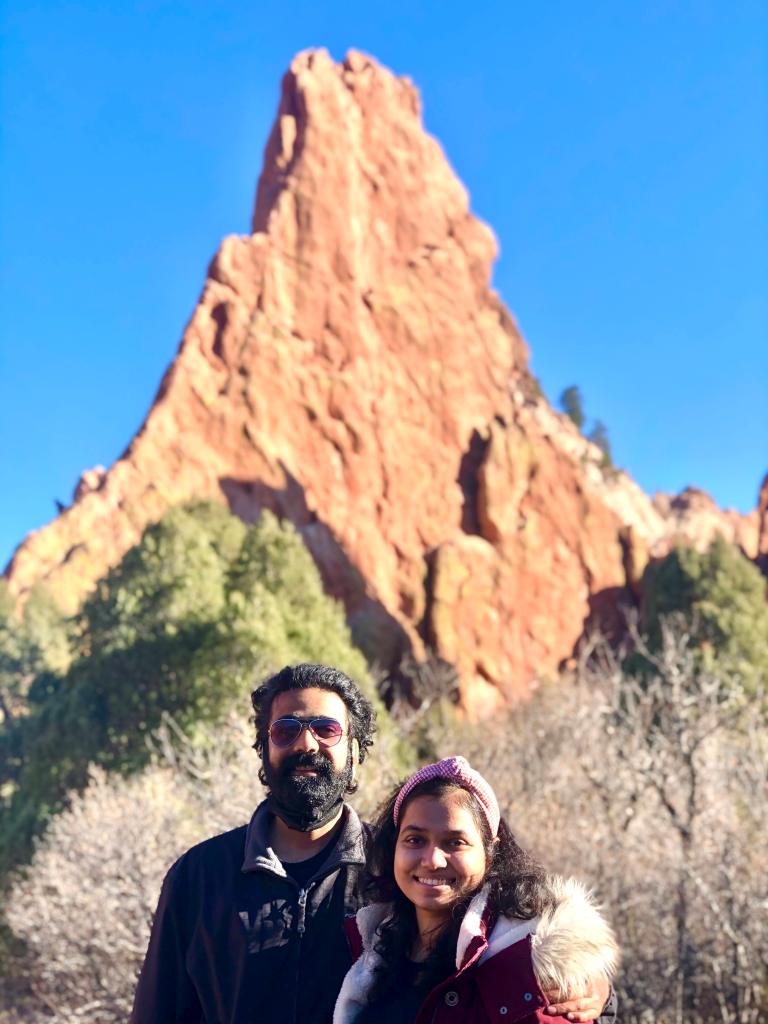
Garden of the Gods visitors center is open from 5am in the morning. You can travel back in time to learn more about the history of these rock formations by watching an entertaining 15-minute film during your visit to the Garden of the Gods Visitor Center. During the busy times of the year, there is a shuttle bus which runs around the park to help you with the hassles of finding a parking spot.
-The Broadmoor Seven Falls
Seven Falls, affectionately known as “the grandest mile of scenery” is located behind The Broadmoor hotel and the resort runs buses every 15 minutes to see the falls. The parking is free but the cost to enter and see the falls is $16.50 per adult. The ticket is good for entry and re-entry any time during the purchased day. You can skip the tram to goto the waterfall and instead walk the path. The waterfalls in itself is very beautiful but there are a lots of steps. The natural box canyon that creates the falls’ breathtaking drop is flanked by the Pillars of Hercules, which rise nearly 900 feet above the ground, welcoming you to adventure.
-Red Rock Canyon Open Space
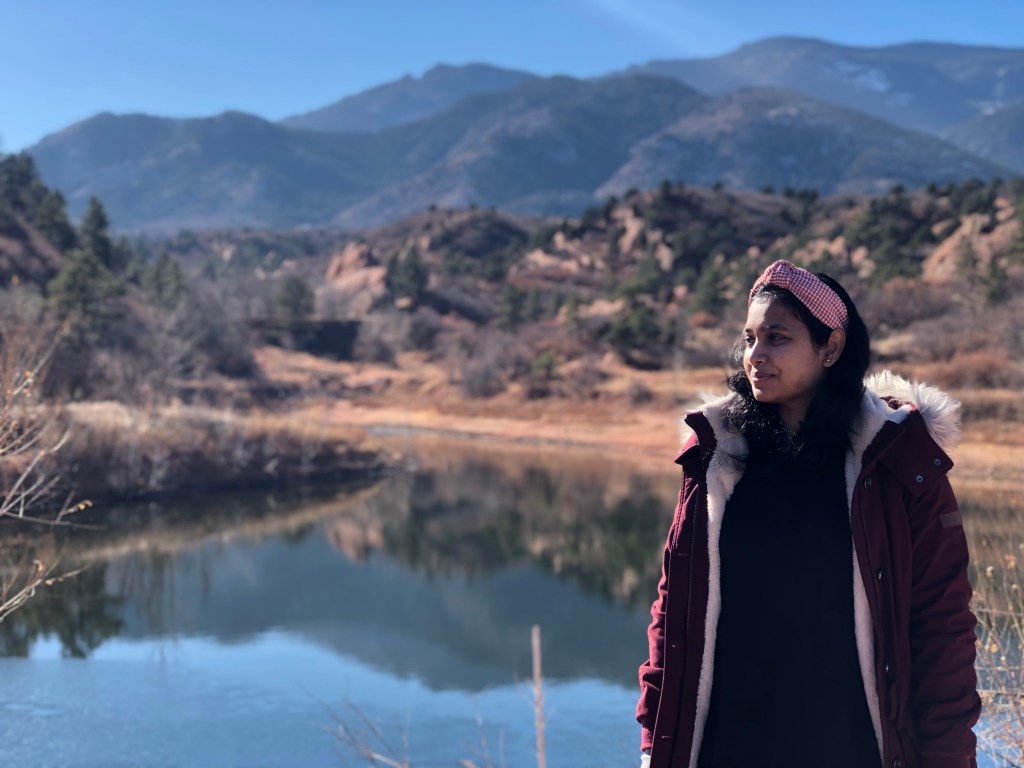
Red Rock Canyon Open Space is another city park in Colorado Springs with miles of trails through beautiful red rock spires and ridges. The landscape is similar to nearby Garden of the Gods, but with smaller rock formations. Although not as impressive, it’s a lot less crowded and much better for a nice quiet hike. Access to the park is free to the public. There are however very less paved and concrete paths, so you might take home some dirt with you!
-Cave of the Winds Mountain Park
Cave of the Winds Mountain Park has adventures for everyone. They offer three unique cave tours- the Discovery Tour offers an easy and fun look at all the coolest cave features, a spooky Lantern Tour with ghost stories and folklore and a Caving 101 Tour that takes you in the undeveloped, behind-the-scenes sections of the caverns. They also have an outdoor park loaded with adrenaline-packed fun. Reservations are needed for all the tours beforehand. Do visit their website to book your tour and know what is open. Due to the covid-19 pandemic, we decided to skip this attraction.
-Manitou Cliff Dwellings
The Manitou Cliff Dwellings are a group of relocated Ancestral Puebloan cliff dwellings and museums located just west of Colorado Springs. This 40 room site was originally located in McElmo Canyon, which is a part of Mesa Verde National Park. The process of relocating these cliff dwellings began in 1904 and was completed in 1907 when the preserve was opened to the public. The cost to enter is $10.50 per adult. This is a good place to visit if your trip to Colorado doesn’t include visiting Mesa Verde National Park which is about 350 miles from Colorado Spring.
Great Sand Dunes National Park
For the last day of our trip we planned to take a more scenic route to get to the Great Sand Dunes National Park via the Collegiate Peaks Scenic and Historic Byway. This 57-miles byway takes you to America’s Continental Divide where the Rockies get real.
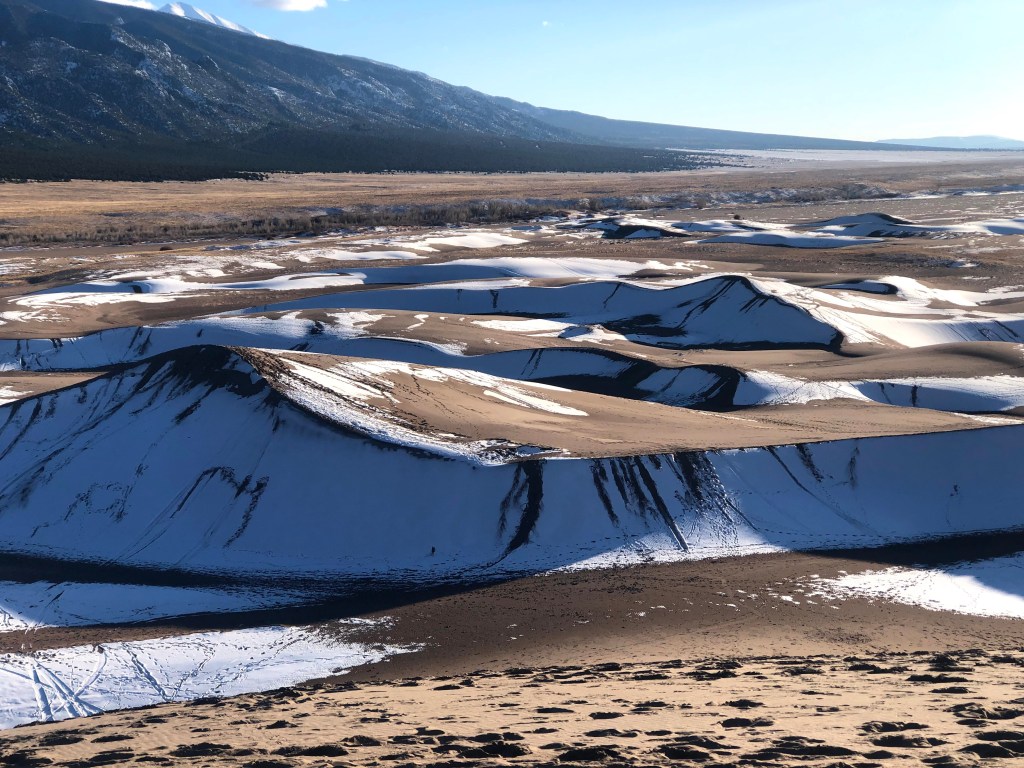
The Great Sand Dunes National Park park contains the tallest sand dunes in North America. The dunes cover an area of about 30 sq mi (78 km2) and are estimated to contain over 1.2 cubic miles (5 billion cubic metres) of sand. Sediments from the surrounding mountains filled the valley over geologic time periods. We visited this park when the visitors center was shut, but do stop by to see a short film on the history of the dunes and to see exhibits showing the unique formation of the great sand dunes.
Hiking in this National Park is an experience in itself. There is no designated “path” to hike on, but endless dunes to climb onto. The higher you can climb onto the dune, the better vantage point for you. But do carry water and a hat since it can get tiresome fast! We were lucky to go just after a mild snow shower from the previous night which gave us a perfect mix of white and brown. We parked at the first available parking right after the visitor’s center and just explored the sand dunes by foot to few of the visibly high sand dunes we could see.
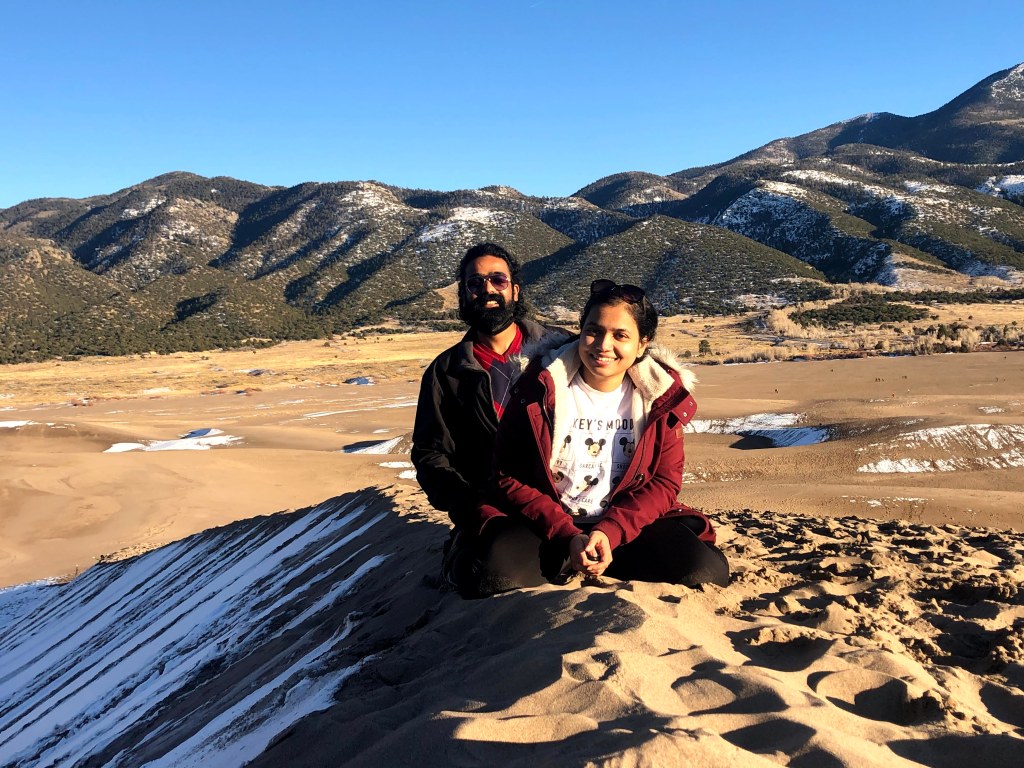
Sandboarding and sand-sledding at the Great Sand Dunes National Park is highly recommended. Several retail outlets offer sand sled and sandboard rentals. The park’s elevation (8,200 feet) and rural location make it a favorite with dark-sky-loving stargazers, and it even offers special astronomy programs many evenings in the summer. Their website has more information on this. Camping is also an option here. For us it was a quick touch and go pit stop, however we highly recommend to stay a night here, weather conditions permitting.
More days to spend in Colorado?
This place is so beautiful that no matter how many days you decide to visit, it will be less! Few of the places we would love to cover if we revisit Colorado are Maroon Bells in Aspen, Mesa Verde National Park, Black Canyon of the Gunnison National Park, amongst others. A highly recommended adventurous activity would be white water rafting near the Royal Gorge Bridge and Park.
We hope you have an amazing trip and fall in love with Colorado the way we did!
Happy & Safe Travels!!
 twoboardingpasses.com